ServicesCommercial Roofing
Commercial Roofing in Shady Shores
We look closely before we recommend anything. On your building we walk every section of the roof, check seams, drains and flashing, then show you photos and explain in plain terms what we found and what it would take to put it right.
Roofing for the Buildings You Run
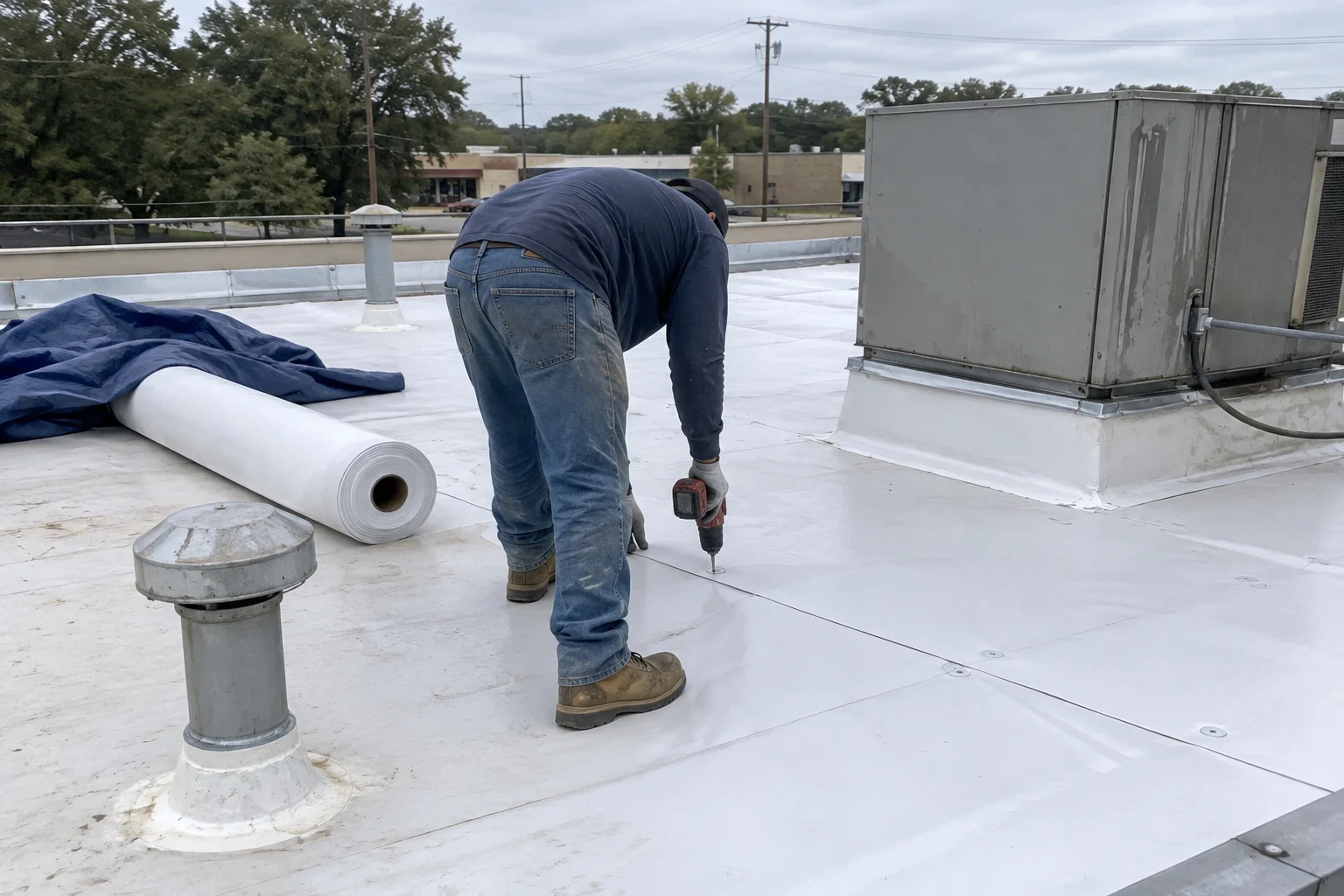
Commercial roofs fail differently than steep residential ones. Water moves slowly across a low-slope surface, so a clogged drain, a loose seam or a cracked boot around a rooftop unit can let moisture into the insulation long before a stain shows on a ceiling tile. By the time a tenant reports a drip, the wet area is often larger than it looks.
That is why our work begins with a careful look at the whole roof, not just the spot that leaked. We note membrane condition, ponding, flashing at parapets and walls, and the curbs and penetrations that most often cause trouble. You get photos and a written, line-item estimate so you can weigh the choices with your owners, tenants or budget in front of you.
Roofing Shady Shores brings 10 years of experience to this work, and we are licensed and insured. We serve building owners and property managers in Shady Shores and nearby towns such as Lewisville, Denton and Flower Mound.
What Our Commercial Roofing Work Covers
- Single-ply membranes
- We install and maintain TPO and similar single-ply systems. Seams are heat-welded and probed, and edges are terminated so wind cannot get under the sheet.
- Modified bitumen and built-up roofs
- Many older buildings carry layered asphalt roofs. We assess blistering, cracked surfacing and separated laps, and tell you whether the existing roof can still be worked with or has reached the end of its life.
- Metal roof systems
- On standing-seam and through-fastened metal roofs we look at fasteners, sealant, panel laps and rust. Backed-out screws and dried sealant are common sources of slow leaks.
- Flashing, curbs and penetrations
- Parapet walls, HVAC curbs, vent pipes and skylights get particular attention, since most low-slope leaks start at a transition rather than in the open field of the roof.
- Drainage and ponding
- We check internal drains and scuppers, and we map areas where water sits for days after rain. Standing water ages a membrane quickly in a Texas summer, so we address the cause, not just the symptom.
When a Commercial Roof Is Asking for a Closer Look
Marks overhead inside
Discolored or drooping ceiling panels tell you water has already worked through the deck and insulation. The leak itself is frequently some distance from where the mark appears.
Water that stays after rain
Puddles still sitting two or three days after a storm suggest blocked drainage or a deck that has sagged, and they wear the surface out early.
Blisters, wrinkles or open seams
Raised bubbles and lifted laps give moisture a way in, and each hot day makes them worse.
Rising energy bills
Insulation that has taken on water stops doing its job. If the building suddenly has trouble holding a cool temperature, moisture may be trapped beneath the roof.
Rust or loose fasteners on metal
Orange streaking, screws that have backed out and gaps at panel laps are early warnings worth checking before the next storm season.
How a Commercial Roofing Project Runs
- 1
A roof walk and a conversation
We meet you on site, ask about leak history and how the building is used, and then walk every roof section. Where it helps, we take core samples to see what lies under the surface.
- 2
Photos and plain findings
You receive photos of what we saw and a written estimate that separates each item. We give you an honest view of what needs doing now and what can wait.
- 3
Scheduling around your business
We plan staging, deliveries and noisier work around your hours and tenants where we can. We pull any required permits before work starts.
- 4
Careful installation
Crews protect entrances, walkways and rooftop equipment, and work in sections so the building stays dried in at the end of each day.
- 5
Final walk and cleanup
We walk the finished roof with you, clear debris from the roof and the grounds, and leave you photos of the completed work for your records.
What Shapes the Cost of a Commercial Roof
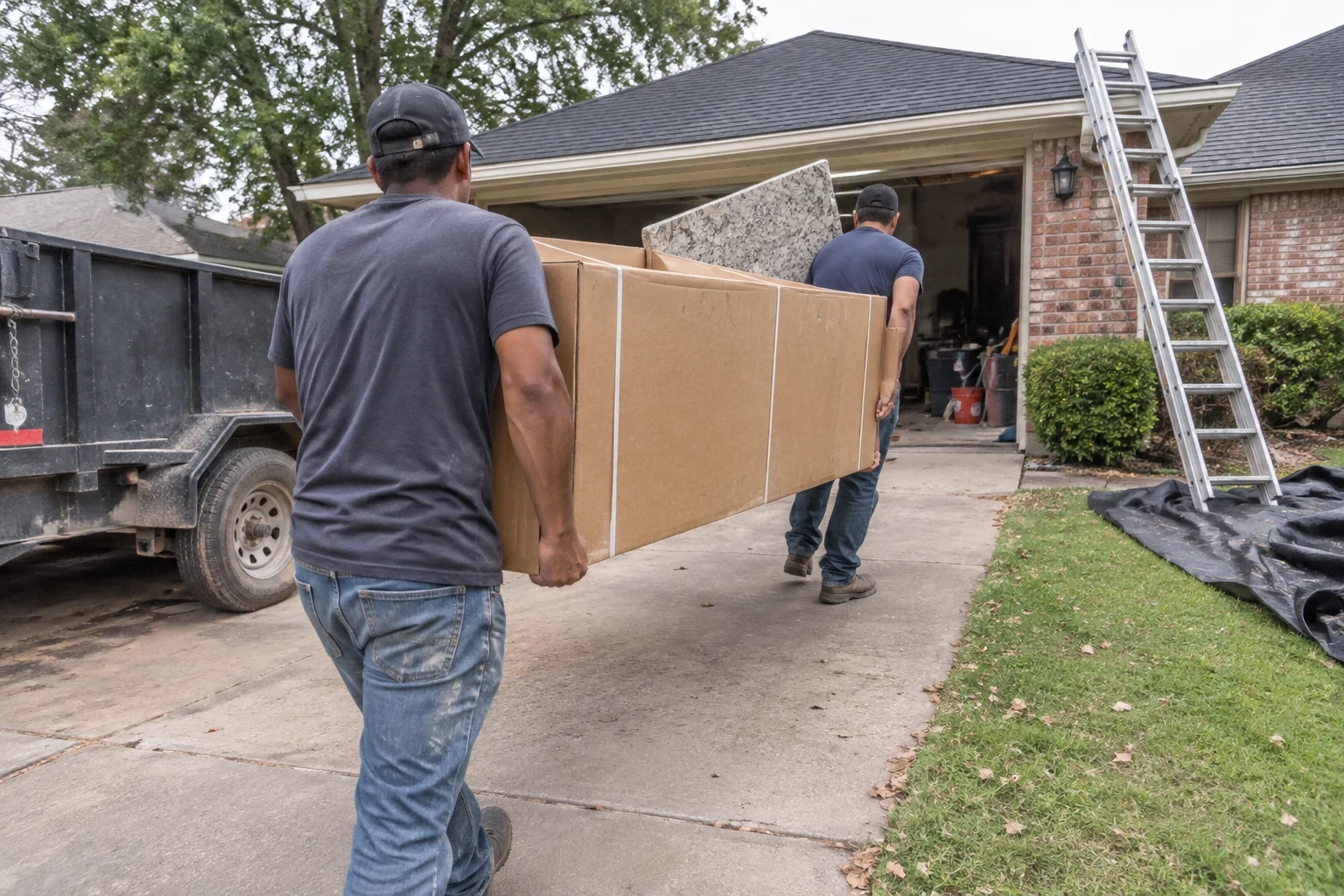
No two buildings carry the same roof, so we price from what the roof walk shows us rather than from a standard rate. The written estimate breaks the job into its parts, item by item, which lets you see how the total is built and keeps late additions off the table.
- Roof area and layout
- Square footage is the starting point, but parapets, changes in roof level and the count of curbs and penetrations add hand detail work that takes time.
- Condition underneath
- Saturated insulation or a weakened deck must be replaced before any new surface goes down. Core samples show us how far the damage reaches.
- System and material choice
- Membrane type and thickness, insulation value and how the system is attached all change the price, along with how long the roof can be expected to last.
- Access and staging
- The height of the building, whether a crane or lift is needed and how near we can set materials all affect labor hours.
- Permits and scheduling limits
- Permit requirements, after-hours work or phasing around tenants are accounted for in the estimate from the start.
Commercial Roofing Questions
Something not covered here? (940) 350-5339
What kinds of commercial buildings do you work on?
We work on offices, retail centers, churches, warehouses and light industrial buildings with low-slope or metal roofs. If you are not sure your roof type fits, describe it on the phone and we will give you a straight answer.
Can my business stay open while you work?
In most cases, yes. We plan noisy tasks and material lifts around your hours where possible, keep entrances clear and protect walkways. Any phasing of the job is agreed with you before work begins.
Will you tell me if the roof does not need major work?
Yes. Our findings come before any recommendation, and if a section still has years left, we say so. You will see the photos and can judge for yourself.
Should I repair sections or replace the whole roof system?
It depends on how much of the insulation is wet and how the membrane has aged across the full surface. When the damage is confined to a few areas, targeted work often makes sense. We show you the core samples and photos so the reasoning behind our answer is clear.
Do you also handle shingle roofs on houses?
We do. Our Residential Roofing page covers that work, and for interior build-outs on commercial properties, see Commercial Contracting.
Let Us Take a Close Look at Your Roof
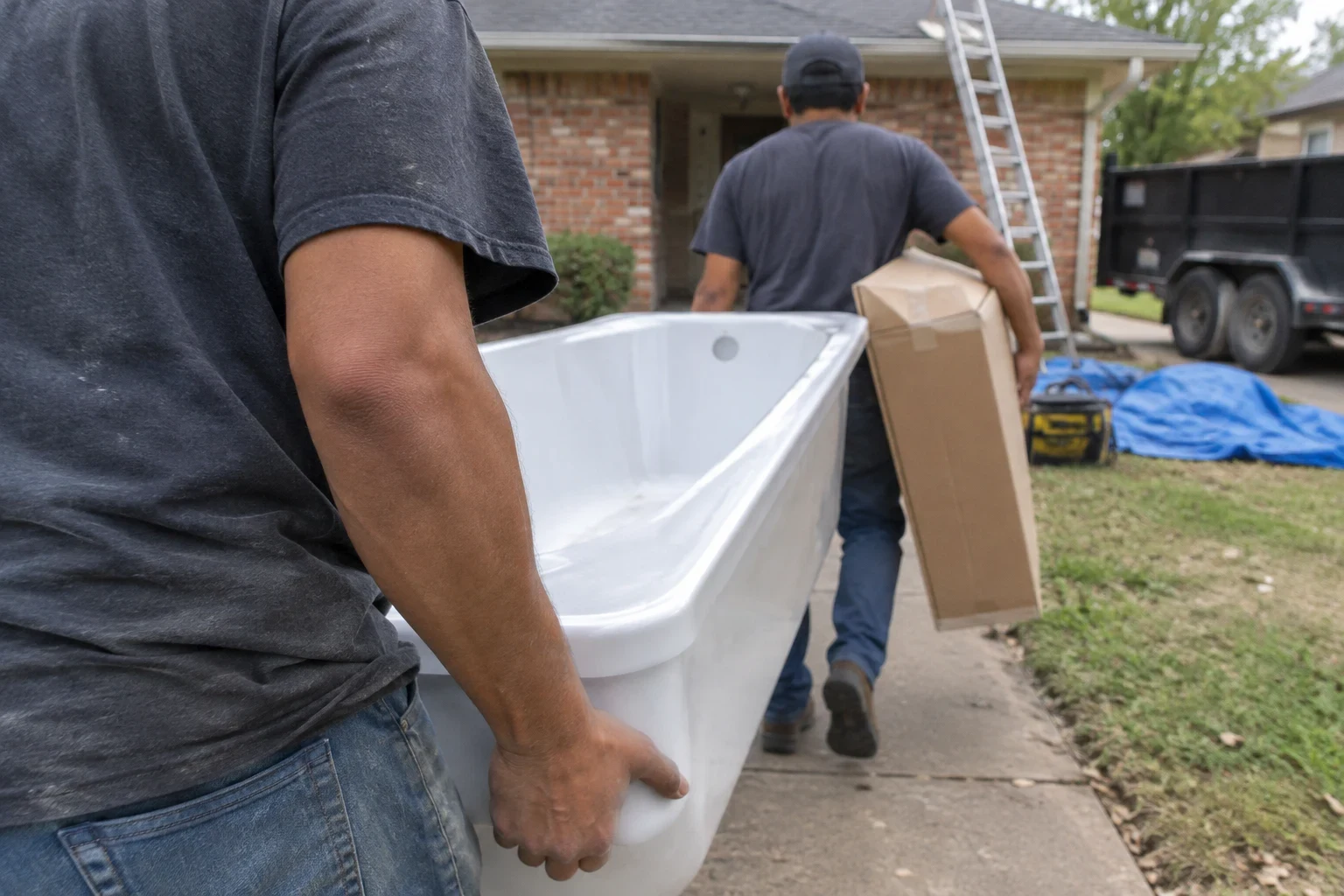
We will walk the roof, photograph what we find and explain your options without pressure. The estimate costs you nothing.